When your kitchen rangehood is working overtime, you might just hear the satisfying roar of clean air being pulled through. But beneath the surface of that performance lies a complex system, and neglect can turn a powerful appliance into a significant safety hazard. For homeowners and commercial businesses alike in Sydney, understanding the HVAC rangehood cleaning Sydney compliance requirements isn't just about keeping things smelling nice; it's about protecting your property, your appliances, and most importantly, your family. Dealing with grease, dust, and carbon build-up is no small feat, and ignoring the mess is like ignoring a warning sign—eventually, something big is going to happen. This detailed guide will walk you through the essential regulations, the science behind professional cleaning, and why making compliance a priority is the smartest investment you can make.
The Hidden Dangers of Neglected Ventilation Systems
Many people view rangehood cleaning as a mere aesthetic task—just a way to stop the kitchen from smelling vaguely of burnt toast. While cleanliness certainly helps the olfactory experience, the true danger lies in the accumulation of combustible materials. Grease, oil vapor, dust, and carbon particles create a highly flammable mixture. This build-up is not just unsightly; it is a serious fire risk.
Understanding Grease and Carbon Buildup
The process of cooking inherently involves airborne oils and particulates. When these particles hit the rangehood filters, they adhere and cool, solidifying into thick, sticky layers. Over time, these layers combine with dust and steam residue, creating a combustible sludge. This sludge, often referred to as grease trap material, can reach a critical mass.
Consider this: A professional cleaning technician once removed a layer of carbon build-up from a Sydney commercial kitchen rangehood that was so thick, it resembled Continue reading hardened coal. The resulting amount of material was enough to fuel a small bonfire—all thanks to years of neglect. This anecdote underscores a vital truth: the build-up is exponentially worse than the visible grime suggests.

- Efficiency Loss: A dirty system forces the HVAC unit to work harder, wasting electricity and potentially leading to premature motor failure. Fire Hazard: The primary concern. Grease buildup can ignite from minor sources, leading to catastrophic kitchen fires. Air Quality: A clogged system cannot effectively filter pollutants, meaning you are breathing stale, potentially contaminated air.
Decoding HVAC Rangehood Cleaning Sydney Compliance Requirements
Compliance is not a suggestion; it is a mandate rooted in building safety codes and local council ordinances. These requirements ensure that commercial and high-density residential properties maintain minimum safety standards. If you are operating a commercial establishment, understanding these rules is non-negotiable.
Local Codes and Regulatory Oversight
The specific HVAC rangehood cleaning Sydney compliance requirements vary based on whether the property is residential, commercial, or industrial, and which local council governs the area. However, the core principles remain consistent: the system must be clean, functional, and regularly serviced.
The regulations essentially dictate that the system must be maintained by certified professionals who use approved chemicals and equipment. Why is this so strict? Because the penalty for non-compliance—especially following a fire incident—can be devastating, both financially and legally.
"Prevention is always the best medicine. When it comes to ventilation, prevention means rigorous, scheduled maintenance."
What Components Require Attention?
Compliance doesn't mean just wiping down the visible metal parts. It requires deep attention to the entire system:
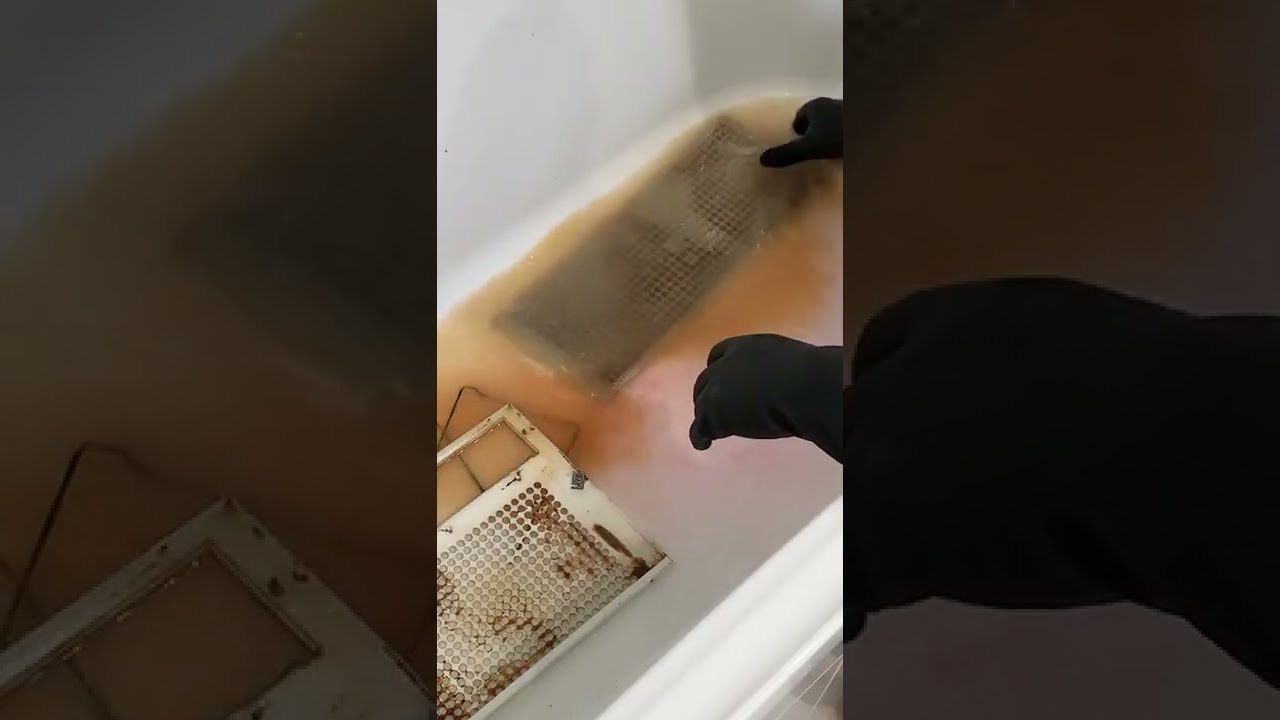
- Filters: These must be removed and professionally cleaned or replaced, as simple washing is often insufficient. Grease Collectors/Ductwork: The internal ductwork, which carries the grease and smoke, requires specialized cleaning to remove deposits that are invisible to the naked eye. Extraction Fan/Motor: The motor and fan blades themselves need inspection for residue build-up that could impede function or create heat issues.
Are you confident that a quick DIY clean is enough to satisfy rigorous safety standards? Probably not.
Achieving and Maintaining Compliance: The Professional Approach
Since the stakes are so high—fire, health, and legal liability—relying on guesswork is never an option. Professional services provide not only the cleaning power but also the documentation necessary to prove compliance.
The Value of Certified Professionals
When you engage a specialized HVAC service, you are hiring more than just cleaners; you are hiring risk managers. These experts understand the specific chemistry of grease and the precise mechanical requirements of commercial venting systems.
A key part of the professional service involves providing a Certificate of Cleaning and Compliance. This document is your golden ticket, proving to insurers and local authorities that the system was serviced according to the latest HVAC rangehood cleaning Sydney compliance requirements.
This process is a symphony of technical knowledge:
- Detailed inspection of the entire system. Use of industrial-grade degreasers that break down carbon and oil. High-power vacuum extraction to remove all residue. A final check of fan functionality and airflow metrics.
Ensuring Peace of Mind Through Proactive Maintenance
The biggest mistake property owners make is treating maintenance as a reactive measure—only calling a cleaner when a smoke alarm goes off or a fire scare happens. Compliance, and safety, are built on proactive habits.
How often should this cleaning happen? While it depends on the volume of cooking (a busy restaurant versus a quiet home kitchen), general guidelines recommend commercial deep cleans annually, with more frequent checks during peak seasons or after significant system modifications.
The system should be viewed not as a fixture, but as a living, breathing mechanical component that requires consistent care. By prioritizing the adherence to HVAC rangehood cleaning Sydney compliance requirements, you are effectively buying peace of mind. You are eliminating unnecessary risk, extending the life of your expensive appliances, and ensuring the health and safety of everyone operating in the space.
Taking control of your ventilation system is like tuning an instrument: proper care ensures that the final performance is flawless. Don't wait for the inevitable sticky mess to turn into a sticky legal problem. Schedule a thorough, professional compliance inspection today, and let the experts handle the grime so you can focus on what matters—great meals and a safe environment.